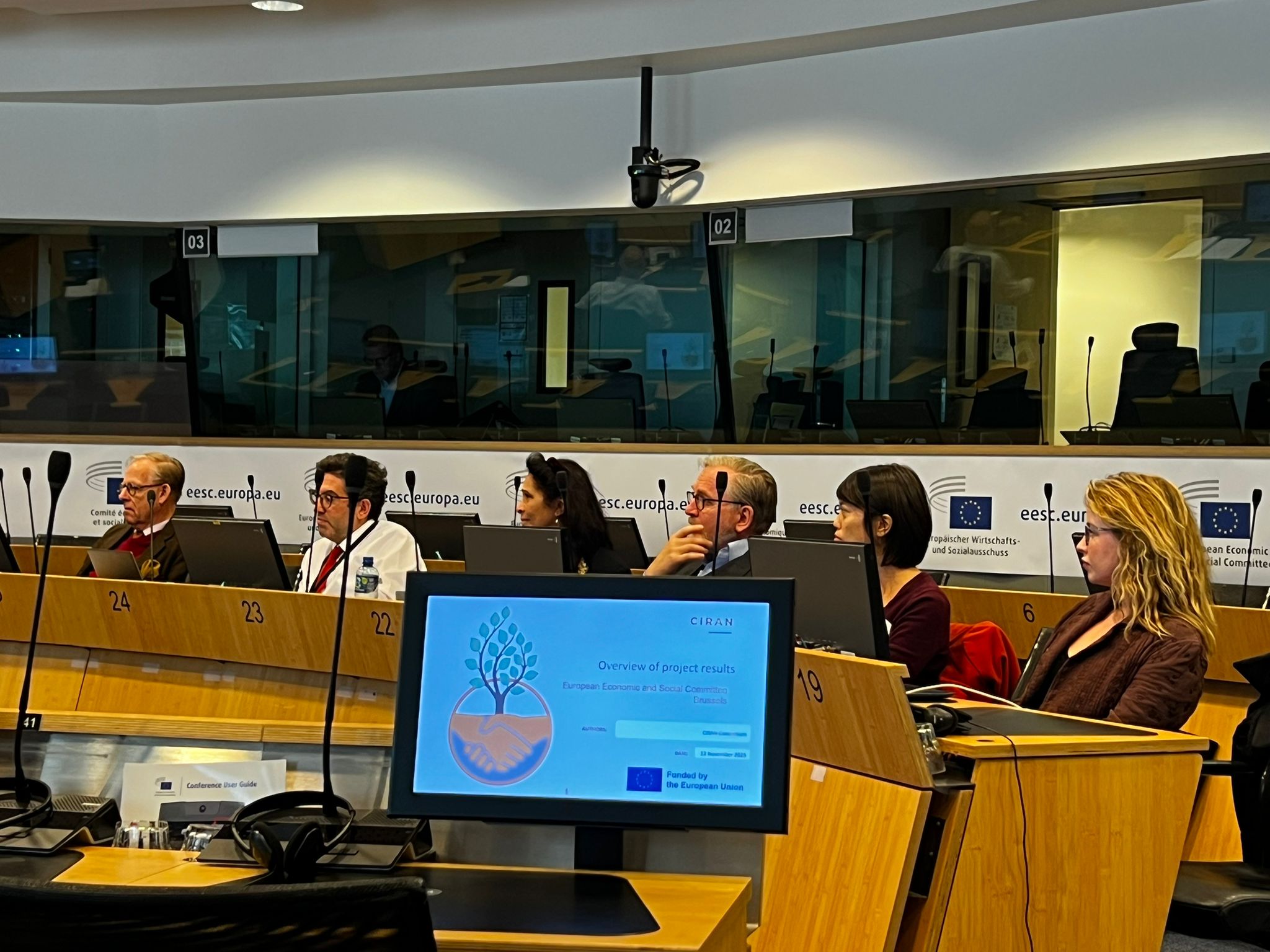
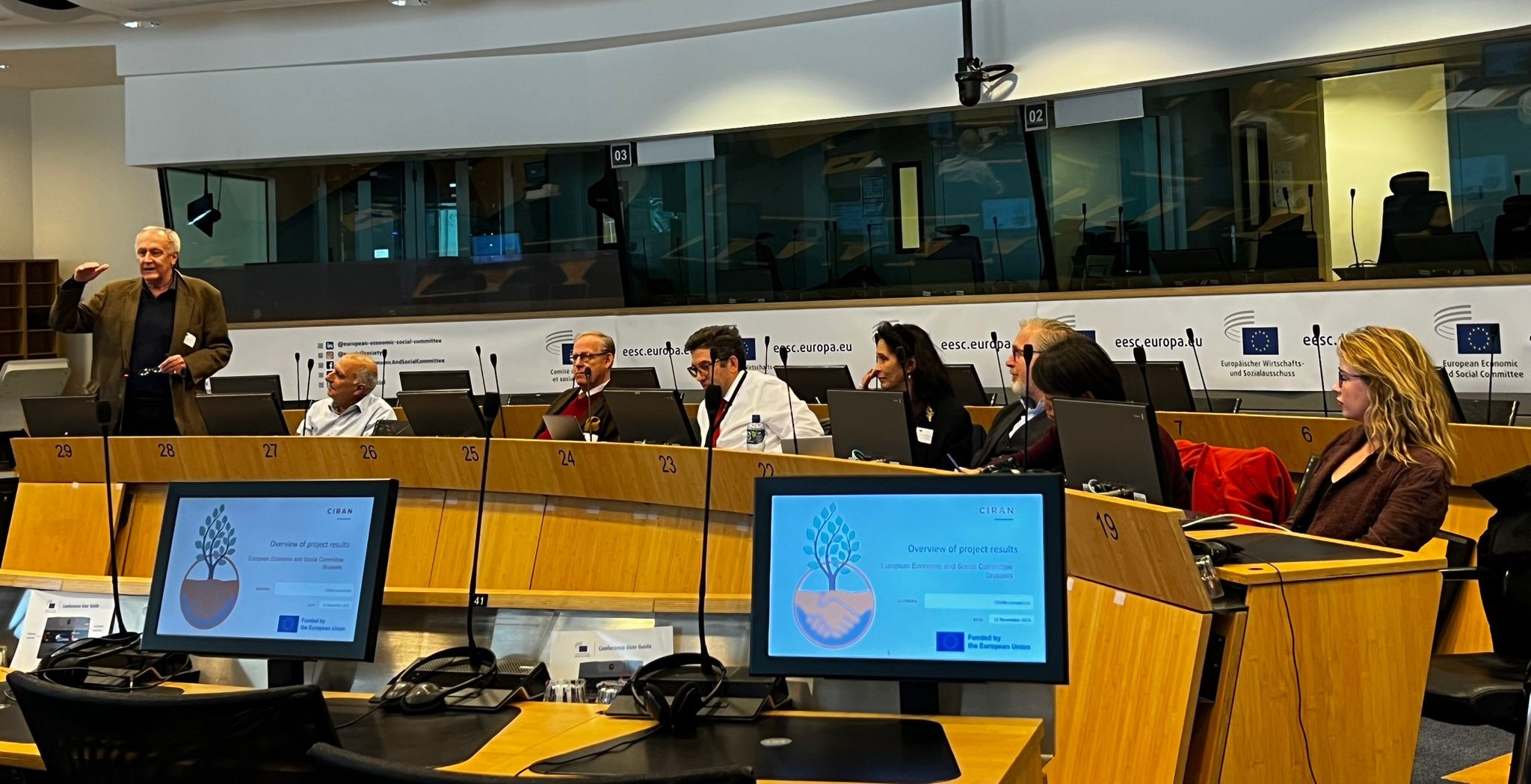
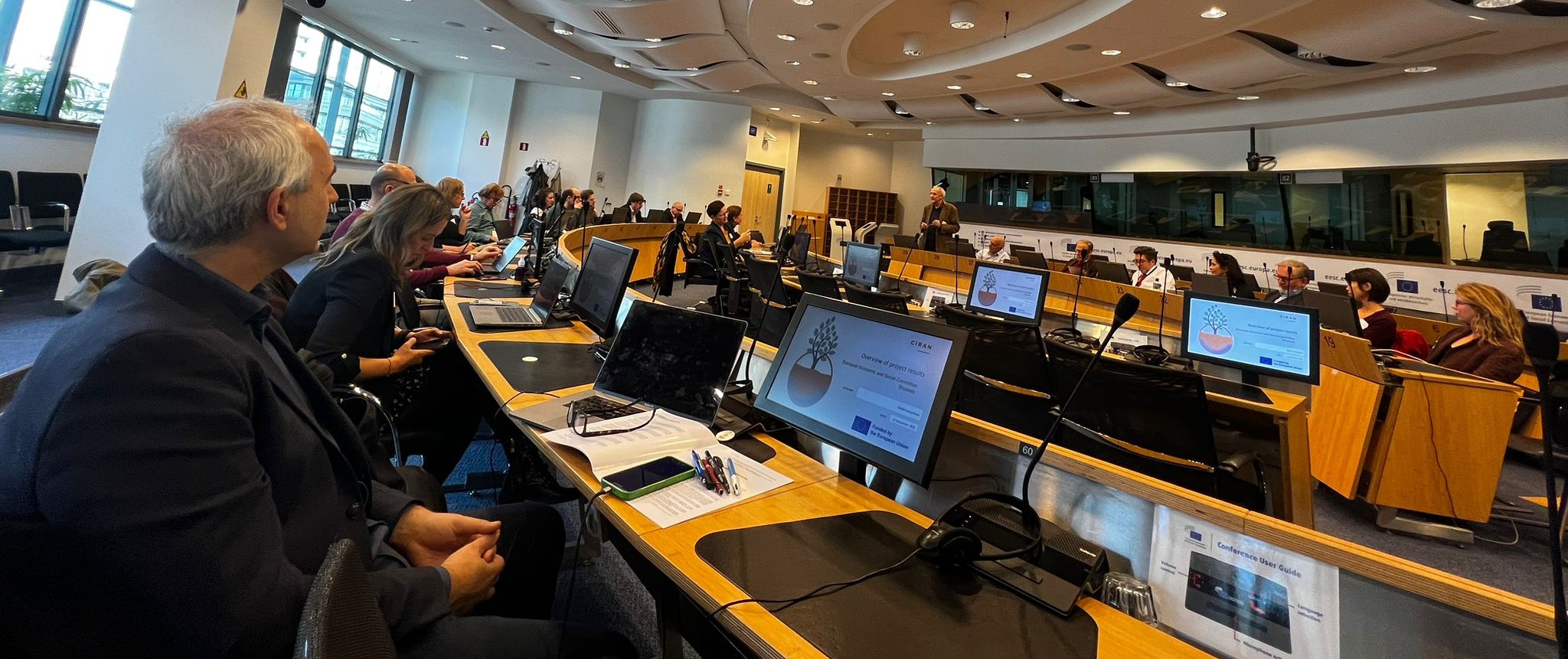
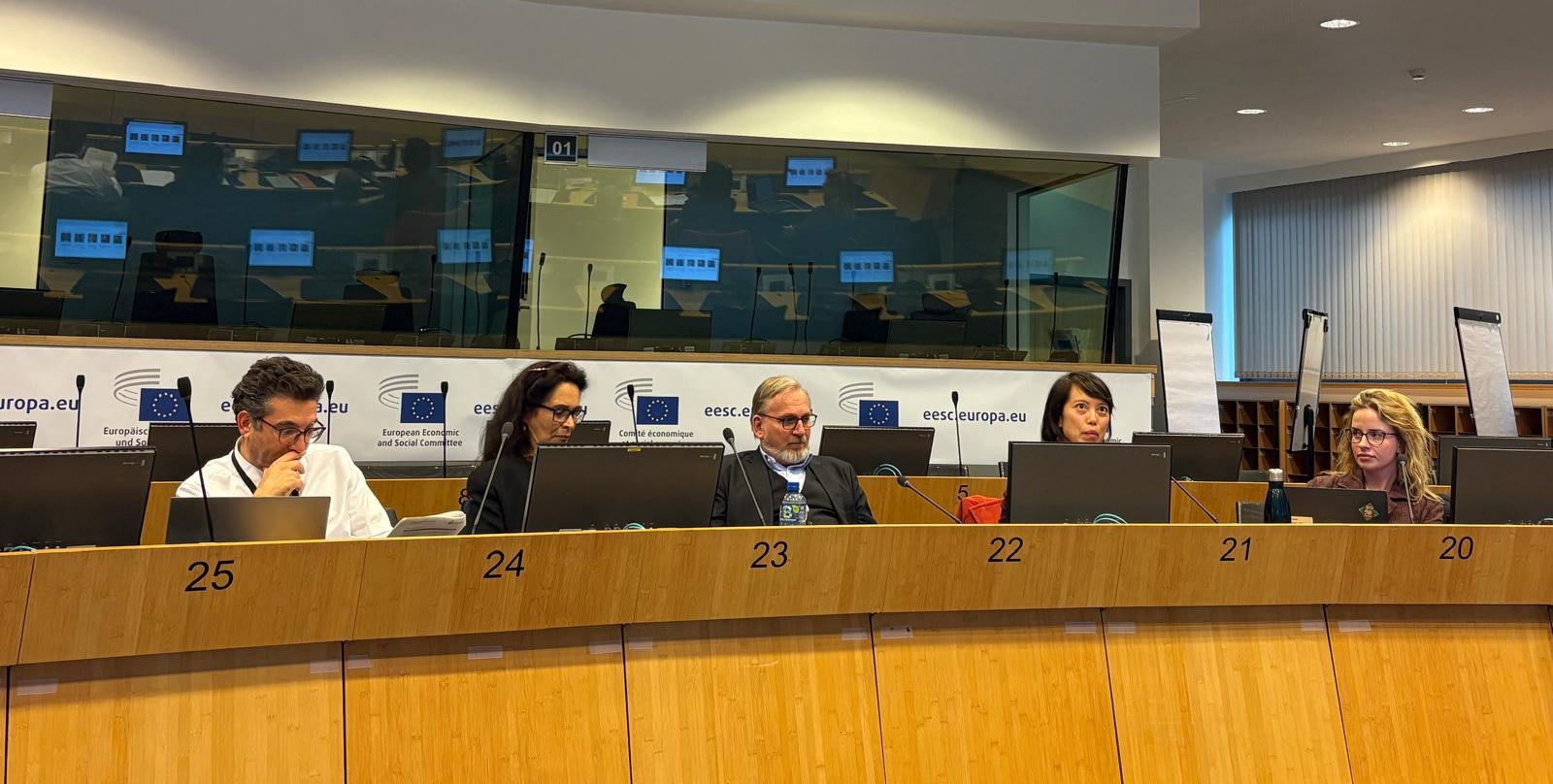
CIRAN hosted an experts’ session in the European Economic and Social Committee in Brussels
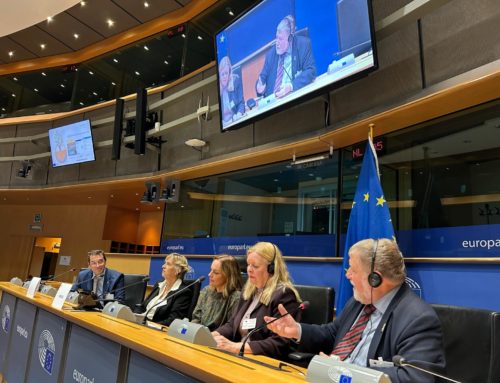
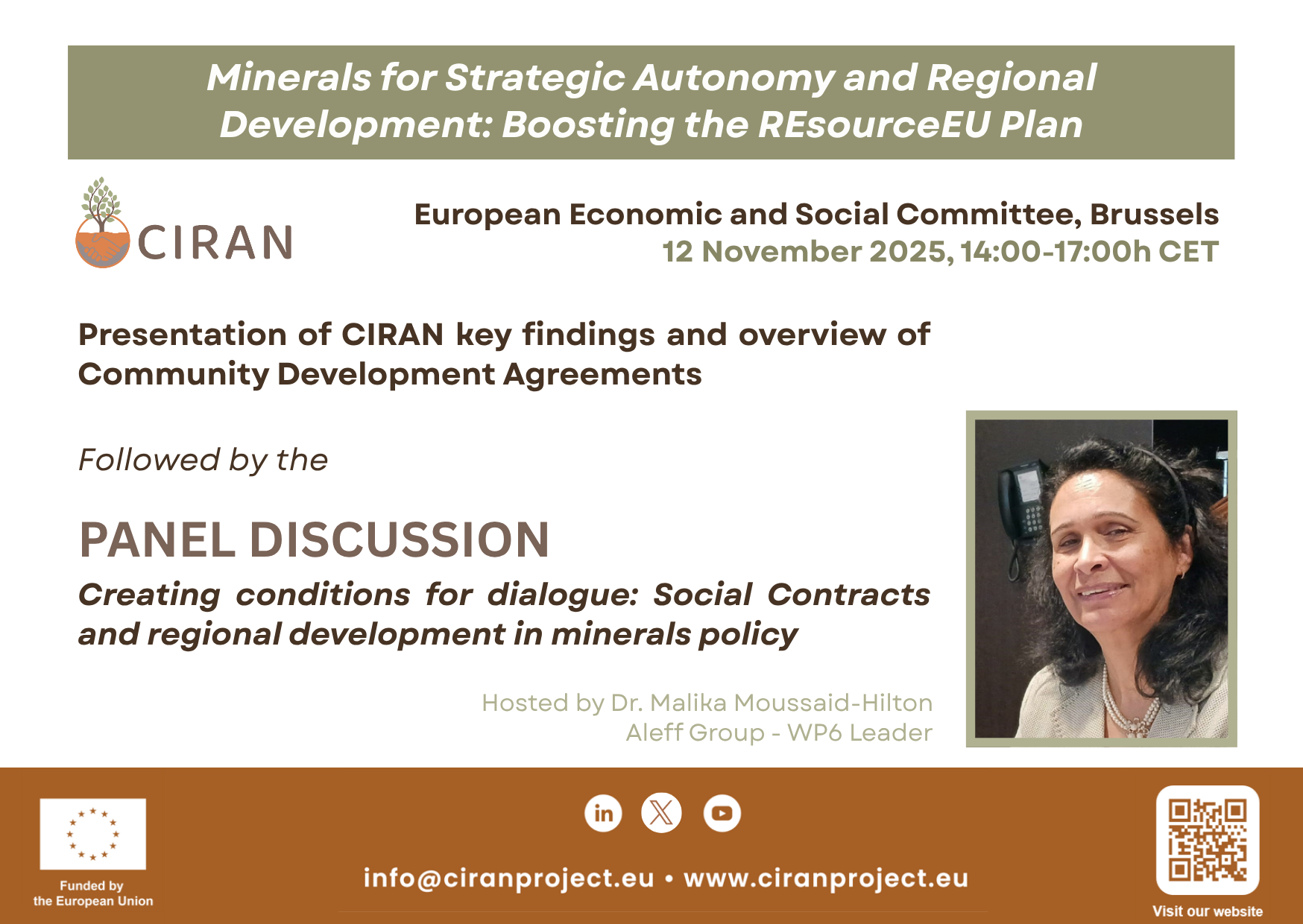
On the 12th of November 2025, CIRAN hosted a Panel Discussion in the European Economic and Social Committee in Brussels. Organised in close coooperation with Dumitru Fornea, EESC Member and CIRAN External Expert, the event welcomed renewed guests and presented social and economic breakthroughs from CIRAN relevant to the EU’s strategic autonomy.
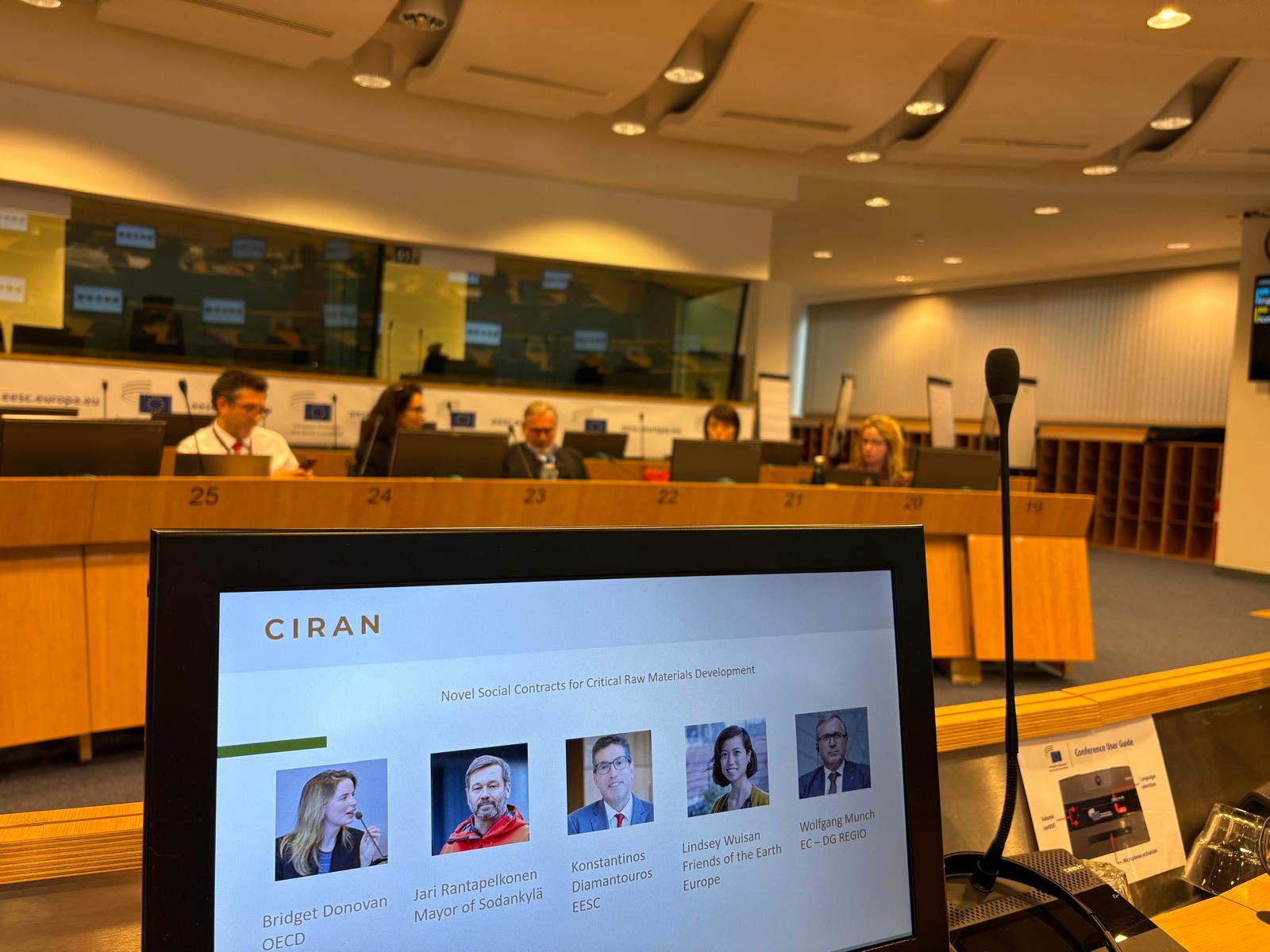
The session was held in-person, between 14:00h and 17:00h CET and facilitated by CIRAN partner and WP6 Leader Malika Moussaid-Hilton. Participants represented diverse sectors, including: policymakers and experts in industrial competitiveness, energy transition, local and regional development, environmental conservation and mineral value chains.
OVERVIEW OF THE DISCUSSION
The focus of this dedicated stakeholder dialogue at the European Economic and Social Committee (EESC/CCMI) was to discuss how Europe can secure Critical Raw Materials while respecting environmental protection and democratic participation. The event brought together EU institutions, regional and local policymakers, industry and trade union representatives, environmental NGOs, geoscience experts, and CIRAN Consortium partners.
In a lively panel debate, participants discussed whether Europe must mine significantly more CRMs for the clean energy transition and whether public policy interest in this strategic autonomy can override local interests and needs. Contributions highlighted:
- The tension between security of supply and planetary boundaries,
- The importance of meaningful public participation and legacy mine rehabilitation,
- The need for faster and more predictable permitting without lowering environmental standards.
The discussion highlighted central themes for addressing this balance, including the role of Community Development Agreements, new business models, regional development tools, and a whole-value-chain perspective (from exploration to processing, recycling, and circularity).
Insights from the session will feed directly into CIRAN’s final recommendations on how to manage CRMs in and around protected areas in a way that builds trust, supports regional development and ensures that no community is left behind.

EVENT DETAILS
- Date: 12 November 2025, 14:00-17:00h.
- Venue: European Economic and Social Committee, Jacques Delors building, Room JDE63 (Rue Belliard/Belliardstraat 99-101, 1040 Brussels, Belgium)
- Target audience: regional and local policymakers and experts interested in industrial competitiveness, the energy transition, local and regional development, environmental conservation and mineral value chains.
- Format: In-person. Registration is mandatory (now closed)
- Size of the audience: 87 people.
- Contact points: Vitor Correia, vcorreia@intraw.eu, +351 964243953; Anita Stein, astein@intraw.eu
EVENT’S PROGRAMME
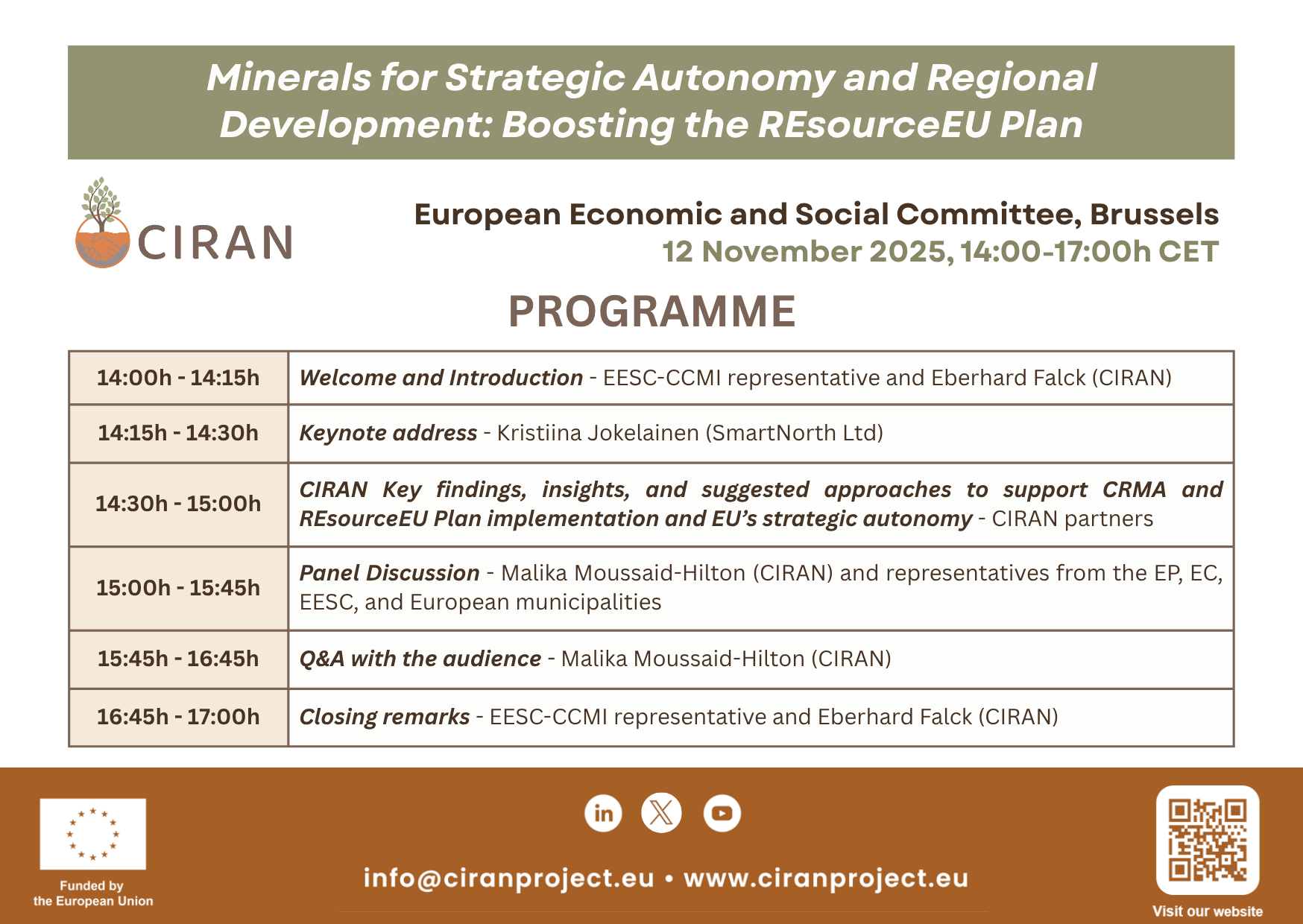
GUEST SPEAKERS in the Panel Discussion, moderated by Malika Moussaid (CIRAN WP6 Leader, Aleff Group):
- Andres Sanabria – OECD, Coordinator of the OECD Mining Regions and Cities Initiative
- Paulo Cunha – Member of the European Parliament, Portuguese lawyer and politician, from the Social Democratic Party
- Wolfgang Much – DG REGIO, Senior Expert in Smart and Sustainable Growth
- Konstantinos Diamantouros – EESC, Permanent Delegate of the Hellenic Federation of Enterprises (SEV) in Brussels
- Jari Rantapelkonen – Mayor at the Enontekiö municipality, Finland (Arctic area)
- Mayor representative from Portugal (tbc)
CONTEXTUAL FRAMEWORK
The Critical Raw Materials Act (CRMA) works towards the EU’s energy transition and climate-neutrality goals but also addresses rising regional and economic security concerns. It establishes ambitious targets of 10% domestic extraction of CRM and 40% domestic processing by 2030, expedites permitting for strategic projects and enhances supply disruption monitoring, whilst upholding rigorous social and environmental standards. The recently announced REsourceEU Plan further reinforces this agenda through strategic stockpiles, coordinated procurement, expanded circular economy measures, accelerated resource partnerships, and increased investments in domestic processing capacity —responding to heightened supply vulnerabilities highlighted by China’s export restrictions on rare earths and battery materials.
Rebuilding European minerals capacity, however, faces a fundamental challenge: finding the right balance between European public interest priorities of access to minerals and societal concerns about environmental impacts and community interests. This tension is exacerbated by rising Euroscepticism, institutional distrust, concerns about equitable distribution of benefits and burdens, and a questioning of current socio-economic development trajectories. Traditional approaches relying predominantly on technical assessments, expert consensus, and promises of economic development have proven markedly insufficient in addressing these legitimate societal concerns.
Recent experience reveals a deeper problem: a general reluctance to engage in policy dialogue which poses a significant risk to European cohesion and resilience, as resource-rich regions may feel an environmental and social burden of serving broader EU strategic objectives. Without meaningful engagement towards reliable economic opportunities, benefit-sharing mechanisms and integration with regional development frameworks, implementation of the CRMA and REsourceEU plan could inadvertently deepen territorial disparities and undermine the solidarity that underpins the European project. Compounding these challenges is the striking spatial reality revealed by CIRAN’s research: more than 85% of known EU CRM deposits are located either below or within 4 km proximity to environmentally protected areas —creating an apparent conflict between resource security and nature conservation objectives that conventional extractive models cannot adequately resolve.
A promising approach to address these challenges lies in the development and implementation of Community Development Agreements (CDAs) —an innovative tool that can help bridge the gap between EU or national strategic priorities and regional or community needs whilst strengthening European cohesion and resilience. CIRAN has recently published a Policy Brief on CDAs. These are binding agreements between local government, mining companies, and communities, requiring no change to national legal frameworks. These agreements include dispute resolution mechanisms, non-compliance clauses, and bring decision-making to the local level, thereby helping to address the fundamental problem of lack of trust in government whilst accommodating local expectations, including environmental protection and socio-economic development. By creating conditions where participation feels safe, productive, and aligned with diverse stakeholders’ interests, CDAs offer a pathway to rebuild the trust necessary for inclusive engagement in this contentious policy area.
To engage in meaningful conversations on these and related topics, join the Community of Practice on LinkedIn.